
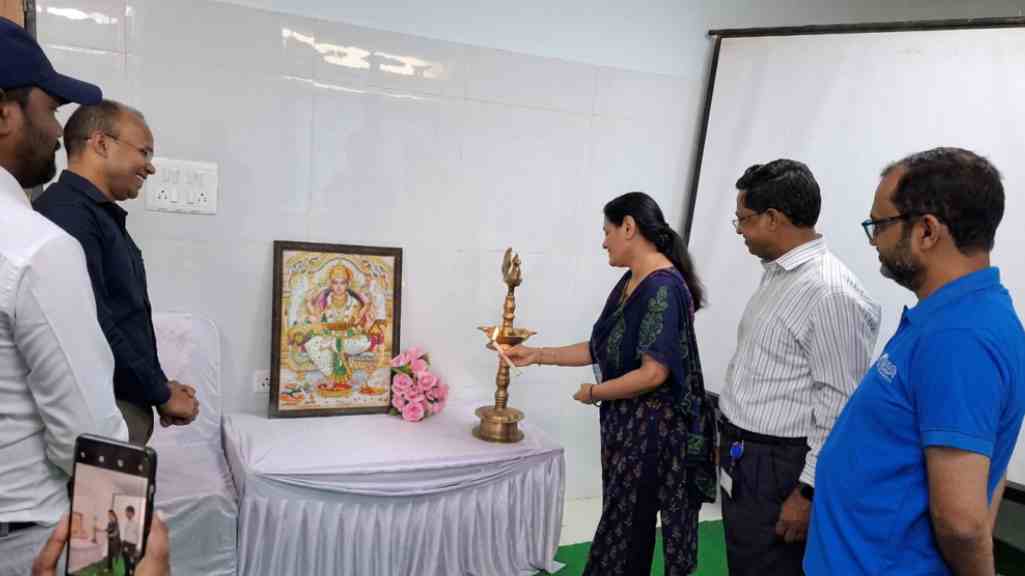
Eye health data is the foundation for eliminating preventable blindness and vision loss. Precise, local eye health data helps estimate the burden of blindness and visual impairment, identify barriers to community participation, understand the causes of service backlogs and guide programme decisions tailored to the needs of each intervention area.
To help bridge this critical data gap in one of our key intervention geographies, Operation Eyesight has formally launched the Rapid Assessment of Visual Impairment (RAVI) Study in Pushprajgarh Block, Anuppur District, Madhya Pradesh.
Here is how this milestone initiative is helping set a new standard for evidence-based eye health interventions.
The RAVI methodology: Precision at scale
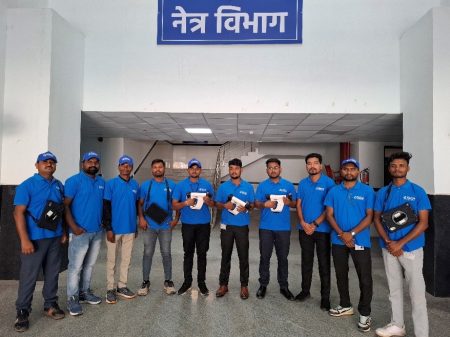
To uphold scientific rigour, the study is led by two of India’s most respected institutions. The L.V. Prasad Eye Institute (LVPEI) serves as the principal investigator, while the All India Institute of Medical Sciences (AIIMS), Bhopal acts as the co-investigator.
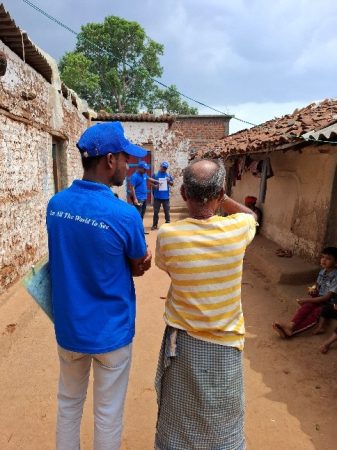
The RAVI study is a comprehensive, community-based epidemiological survey that will provide critical insights into effective cataract surgery coverage, effective refractive error coverage, service delivery trends across institutions and the quality of care in the region. It will also examine community behaviours and identify the barriers that limit access to eye health care services. As an internationally accepted benchmark, the RAVI methodology is designed to ensure accuracy and regional representation.
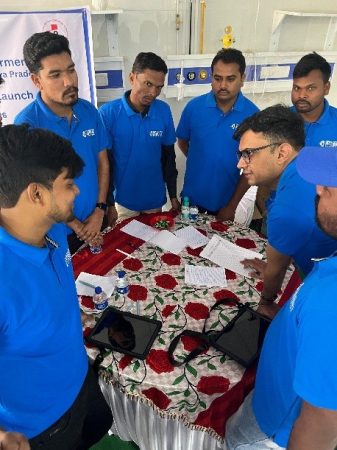
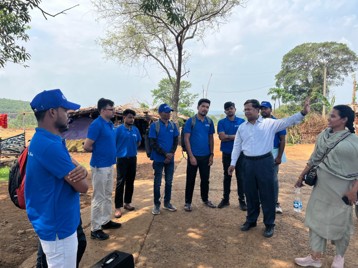
To ensure reliable survey data, three survey teams, each made up of one optometrist and two community health volunteers, have been trained in the RAVI methodology and data collection processes. These teams will cover 80 randomly selected clusters across Pushprajgarh Block and examine approximately 3,700 to 4,000 participants aged 40 and older for various causes of visual impairment and blindness.
The significance: Charting unmapped territory
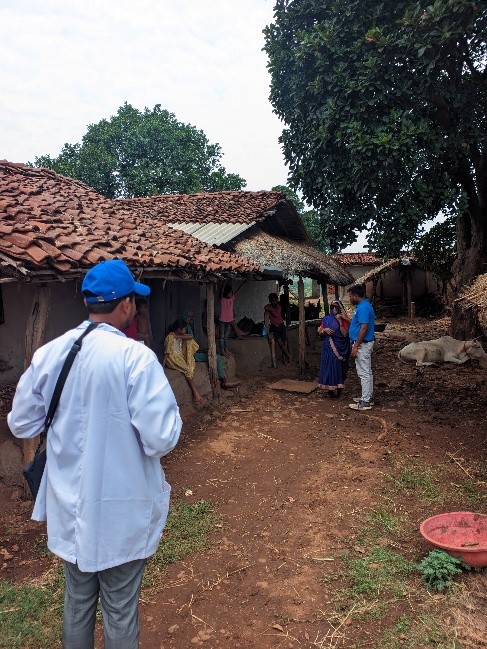
The significance of the RAVI study lies in what it will make possible. For the first time, this specific geography will have scientifically validated eye health data to guide planning, investment and action.
The field survey is currently underway and is expected to take approximately two months, with a final comprehensive report anticipated by September 2026. The initiative also reflects strong local governance, with ownership and commitment from the district administration, including the district collector and the Chief Medical and Health Officer (CMHO) of Anuppur district, Madhya Pradesh.
Voices from the frontline
Driving this ambitious project on the ground requires strategic vision, technical discipline and consistent local execution.
“The journey toward eliminating blindness and visual impairment is ongoing, but to gauge the impact we create within a geography, it is critical to compare the situation before and after an intervention. RAVI is more than data collection; it will guide our actions in this particular geography during the programme period and will also be critical for planning studies in adjoining similar geographies. By mapping the exact prevalence and determinants of blindness and visual impairment in Pushprajgarh, we can move from generalised care to highly targeted action. This evidence ensures our resources are deployed exactly where they will save the most sight.” — Aditya Sharma, Programme Manager
Objectives and expected outcomes
The data collected through the RAVI study is designed for both immediate action and long-term assessment.
Core objectives:
- Assess the prevalence, root causes and determinants of blindness and visual impairment in the region.
- Serve as the definitive baseline assessment for the ongoing eye health programme.
- Provide evidence to optimise intervention design, direct resource allocation and improve service delivery strategies.
- Support the Government of Madhya Pradesh and the National Health Mission in strengthening comprehensive eye health planning by extrapolating this study across the state.
Expected outcomes:
- Measured impact: Upon project completion, an endline survey using the same methodology will assess the programme’s true outcomes and impact.
- Global contribution: Given the scientific rigour of the study, the findings may be published in respected public health or ophthalmology journals, contributing to global health knowledge.
By validating public health strategies through scientific data, the RAVI study will help guide progress toward eliminating avoidable blindness and visual impairment. It will also help other organisations working in similar geographies use limited resources more effectively by documenting what works, what does not and where targeted action can have the greatest impact.
Stay tuned for our next post on progress updates and learnings from the field. Learn how you can support our work here.